

Pet Safety Tips
The world can be a hazardous environment for pets. There are many foods and plants, as well as chemicals that can put them in danger.
Make sure that household items like moth balls, potpourri oil, coffee grounds and homemade play dough out of the reach of pets. These could be toxic if ingested.
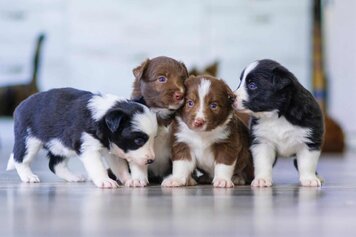
Keep your pets indoors
It is essential to keep your pet on leash. However, you should not leave them alone. A dog or cat that is left unattended could easily get into trouble, and they may get injured, ingest poisonous substances or cause damage to your property.
Pets can also be injured by outdoor hazards, such as stagnant or swollen water that could be contaminated with bacteria or parasites. Pets may be injured or even killed by open, unscreened windows and door.
If you're leaving your pet on their own, make sure you provide them with water, food and a cozy space. The crate should be with plenty of airflow that allows them to stand, lie down and turn around. Secure the crate with a seat belt and harness to stop them from getting away or being taken.
If you are planning a trip It is recommended to bring along your pet's emergency first aid kit. It should include the same items as an emergency kit for humans, such as gauze and medical tape antiseptics, hydrogen Peroxide and a thermometer. Also care pet should contain your pet's medical records as well as information about local emergency clinics.
The holidays can be hazardous for your pet. It is crucial to keep your pet inside and away from fireworks, loud noises and strangers. Pets can get very scared by the noises and sights of the holiday season, and they can escape and get lost. Make sure your pets are in a crate, or a secure area when you are celebrating and have your guests be on the lookout for them.
Be sure to keep your pet safe during summertime events by keeping them in a safe place away from hot grills, sparklers, fireworks, glow sticks, and Kabob skewers, which can cause injury or burns to them. It is also important to remember that dogs have limited sweat glands and can quickly overheat. Keep them indoors and in the shade as much as they can.
It is also a great idea to avoid feeding table scraps to pets. They can be very toxic and if they inhale them, they could get very sick, or die. Be aware that some plants and mushrooms can be harmful to your pets and should not be consumed.
Keep Your Pets On Leashes
A lot of places where you can take your pets have laws that require that your dog be on leash. This isn't only to avoid getting a fine but also to ensure the safety of all animals around you. When dogs are allowed to roam freely they will often come across deer ticks that can carry Lyme Disease and wildlife that may transmit the rabies virus. These diseases can be fatal to humans and pets. Dogs with a leash are less likely to be exposed to the dangers since they aren't able to get close and personal with wild animals.
If you let your dog wander in the open, it could run into other animals or humans and become afraid. This is not only dangerous for your dog, but can cause fights that could be risky for both dogs. Leash-bound dogs are less likely to fight since they are able to control their movements, and they'll be able to follow your instructions.
Off-leash dogs can damage your neighbors' plants or gardens, or even attack them when they feel threatened by other animal. They may also run on the road, where they may be struck by vehicles or injured by other animals. Leashes allow you to keep your pet within sight and can be a great way to show other people and pets that your pet is loving and well-behaved.
Always dispose of any food items that could harm your pet. For instance, a dripping antifreeze puddle could be extremely dangerous for your pet and must be swept up immediately. Also, chocolate and some other sweets can be harmful to pets, as well as the sweetener xylitol.
It is important to ensure that your pet doesn't get too close to hot surfaces, such as asphalt, as this could cause burns to their delicate paw pads. You can purchase reflective leashes and harnesses to help you see your pet when you're walking in the dark.
Keep Your Pets Clean
Cleaning your pet helps to prevent zoonotic diseases (those that can be transmitted between animals and humans) from spreading. It also keeps your pets well-nourished, which is great for everyone in the house!
It is crucial to keep your pet's ears clean in order to keep them free of ear infections which are common in cats, dogs and rabbits. Keep your pet's ear clean to prevent ear infections that are common in both dogs and cats.
It is important to keep your pet's bedding clean. Over time, it can collect dander and fur and can become a breeding ground for ticks, fleas, bacteria, and mites. Cleaning your bedding at least once per week will keep it fresh minimizes allergens, and minimizes parasitic infestations.
Keep food, medication and other items out of reach. Some pets are notorious for snatching trash from the kitchen or chewing on cords and wires that could cause harm. Keep these items away from reach to ensure that your pet cannot access them.
Regular vet checkups are essential to give your pet regular veterinary visits to keep them in top condition and to ensure that they are current with their vaccinations. Regular vet visits can also help you detect any health issues early which could save your pet's life!
pet care at home and disinfecting: The primary difference between cleaning (physically removing dirt and germs) and disinfecting (killing germs with chemicals) is that cleaning eliminates dirt with detergent and soap while disinfectants make use of chemicals to eliminate germs. It is recommended to wash all your pet's toys bedding, beds, blankets, and other habitats at minimum every week, and more often when they appear dirty or smell unpleasant. It is also a good idea to clean and disinfect any items that touch pee or poop such as the litter box.
In addition, it is essential to ensure that water bowls are clean, because they can be contaminated with bacteria and algae that pose a threat to both humans and pets. Drinking water that is contaminated with rodent urine, leptospirosis, or blue-green alga can cause a dangerous infection in pets and humans. You can ensure the health of your pet and family by cleaning their water dishes each day and taking their outdoor water bowls inside during the night.
Make sure that you keep your Pets Well
To ensure your pet's health you must first ensure they are fed a healthy diet. Feed your pet a low fat, high-quality diet and take regular visits to the vet for routine vaccinations. It is important to inform your veterinarian about any changes in your pet's behavior or habits as they could indicate that something is not right.
The summer months can be hazardous for pets. Fireworks can be scary for dogs and can cause harm. Make sure they have a safe area to be during fireworks displays such as a crate. If they must be outside, be sure they're on a leash and in a fenced yard to ensure they aren't escaping. Be pet care at home in the event that your pet has a history of a negative reaction to loud sounds.
Be sure to wash any antifreeze that might have gotten into or around your vehicle as it is poisonous to pets and cats. care pet is also recommended to keep your pet safe in the car (a carrier can be used for cats, whereas a collar and harness will work well for dogs).
Certain foods can be poisonous to animals and cause serious illness or even death when consumed. Some of these include yeast dough, chocolate grounds and coffee beans macadamia nut shells, macadamia seeds; mushrooms and xylitol sweetener, onions and garlic and raw or undercooked beef.
When guests come to your home, please be aware that certain pets may be intimidated by strangers and could bite if provoked or threatened. Make sure to introduce guests to your pet slowly and gently, letting them see and smell you first, so they will understand that you aren't an enemy.
Winter can be a risky time. Many chemicals used in the garden and in the yard like fertilizers, insecticides, and pesticides pose a risk to pets if they are ingested. Inhaling or consuming essential oils, citronella candles scented torches and sprays and sprays with scents could be harmful to your pet. Ice can be harmful for your pet when they fall through it, or attempt to chew or lick it.
Check your pet's fur for signs of fleas and ticks. Be sure to use a veterinarian-recommended product to prevent these pests, and to have your pets regularly examined by your veterinarian.